Experiential team-building with a variety of challenges, peer assessment and lessons on integrity, leadership and collaboration
90 - 150 minutes
10 - 200 participants
Indoor, Outdoor
What is Integrity?
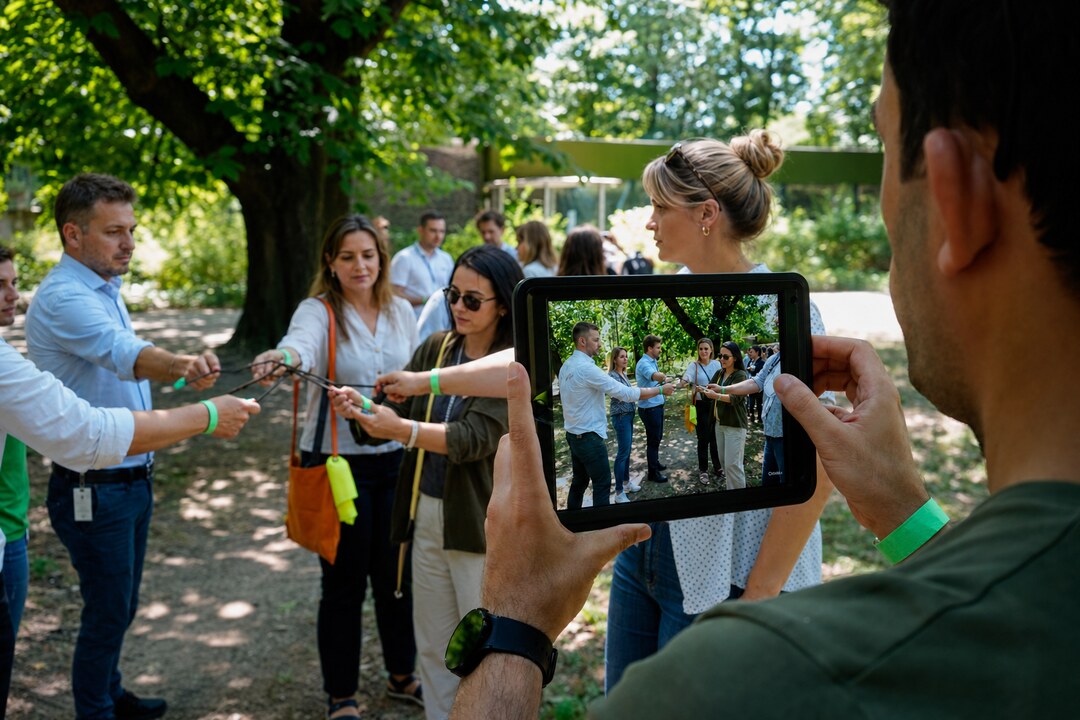
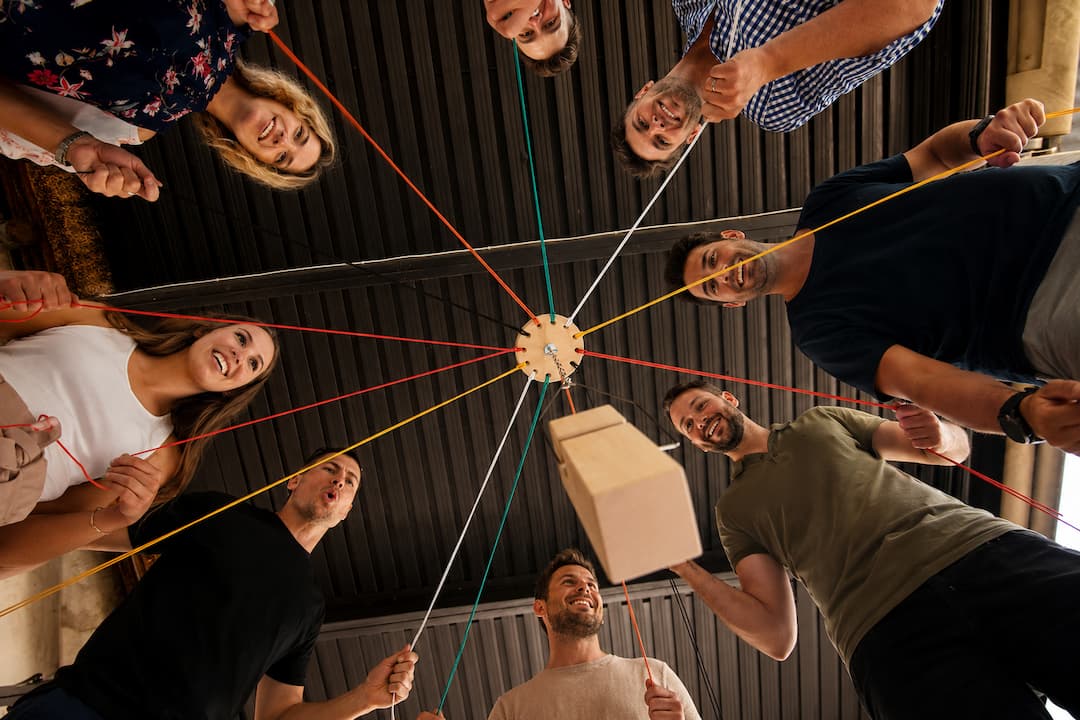
Integrity is an experiential team-building programme built around a variety of challenges that test logic, communication, leadership and the way teams work together under time pressure.
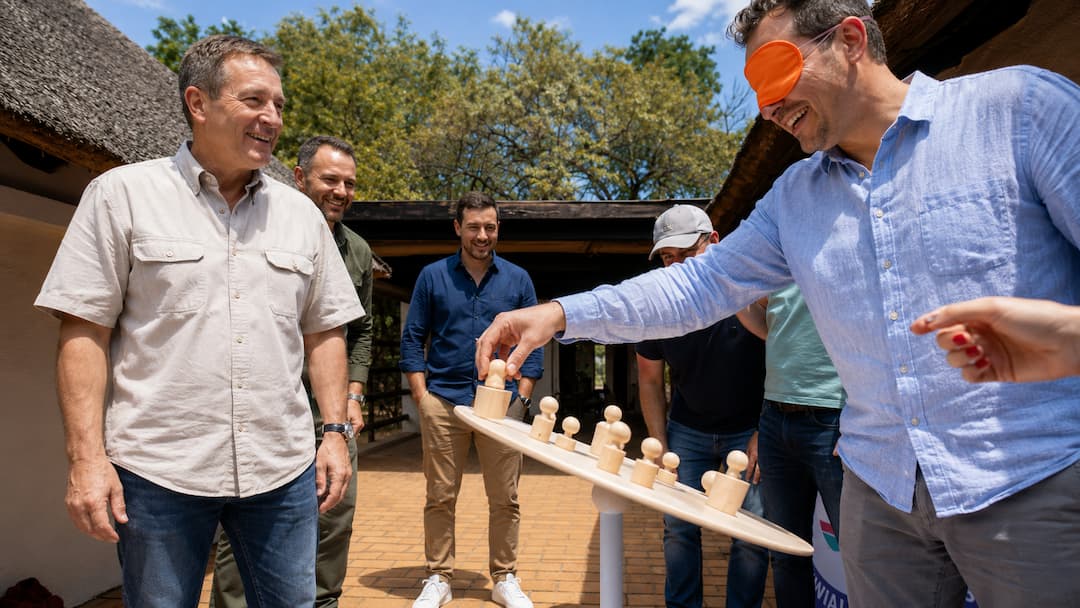
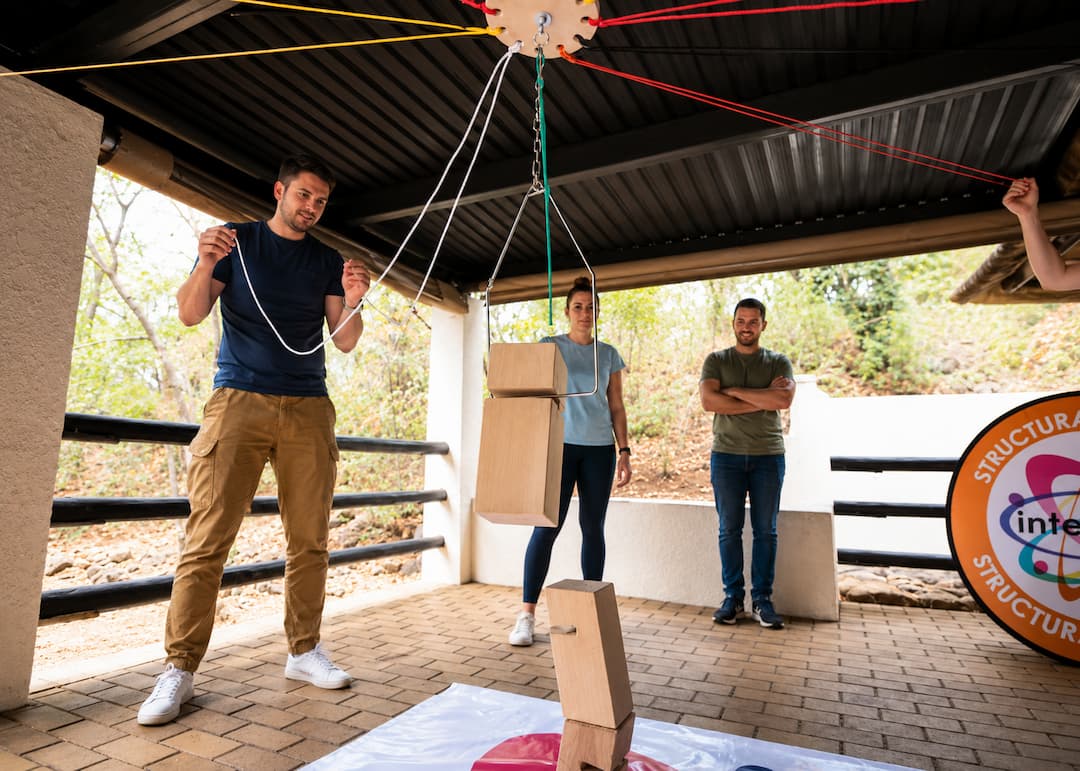
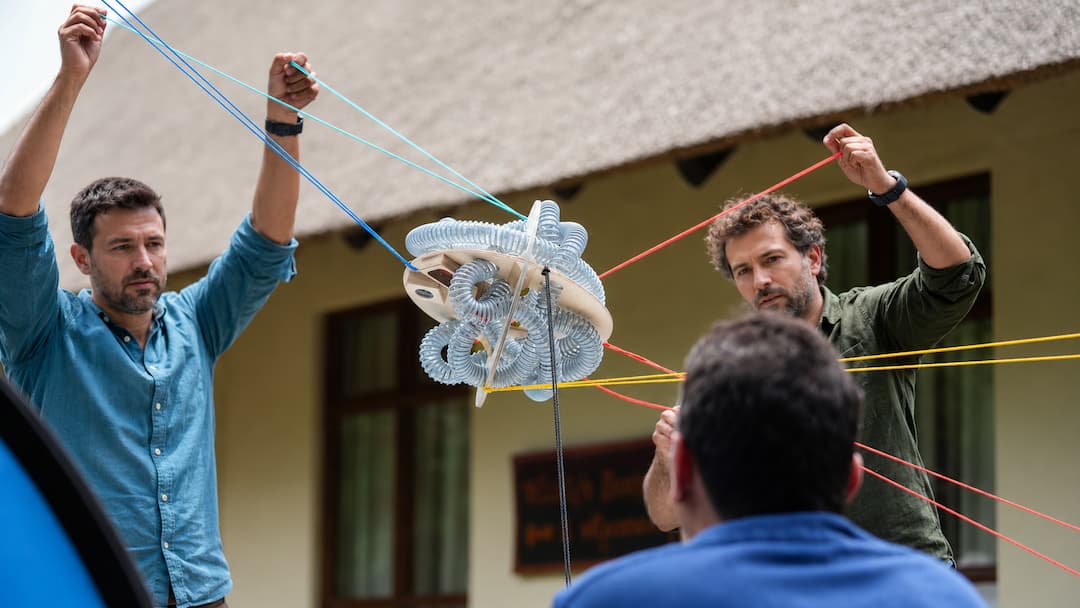
Participants work in teams, solve physics problems with clear rules, and are assessed not only on the results they achieve, but also on how well they follow the process, communicate and make decisions.
What sets this activity apart is the peer-assessment mechanism: teams are awarded points for their performance, whilst the referees are in turn assessed on their clarity, fairness and the way they fulfil their role.
In this way, Integrity transforms an abstract concept — integrity — into a concrete, observable experience that is easy to relate to the reality within the team.
How does it work?
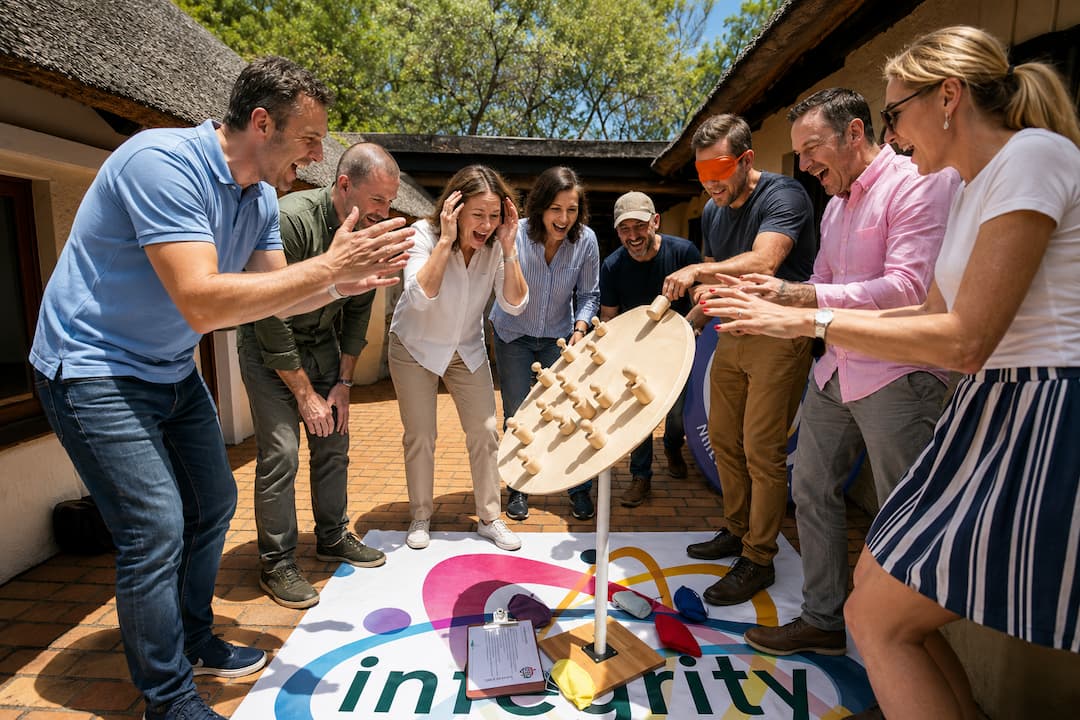
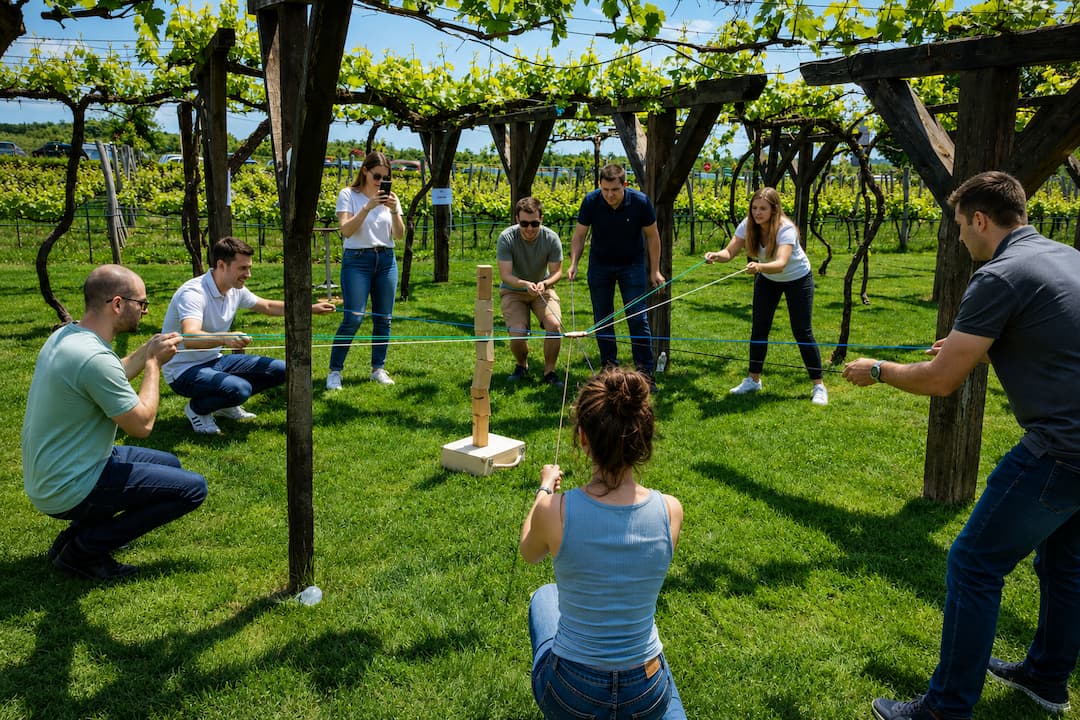
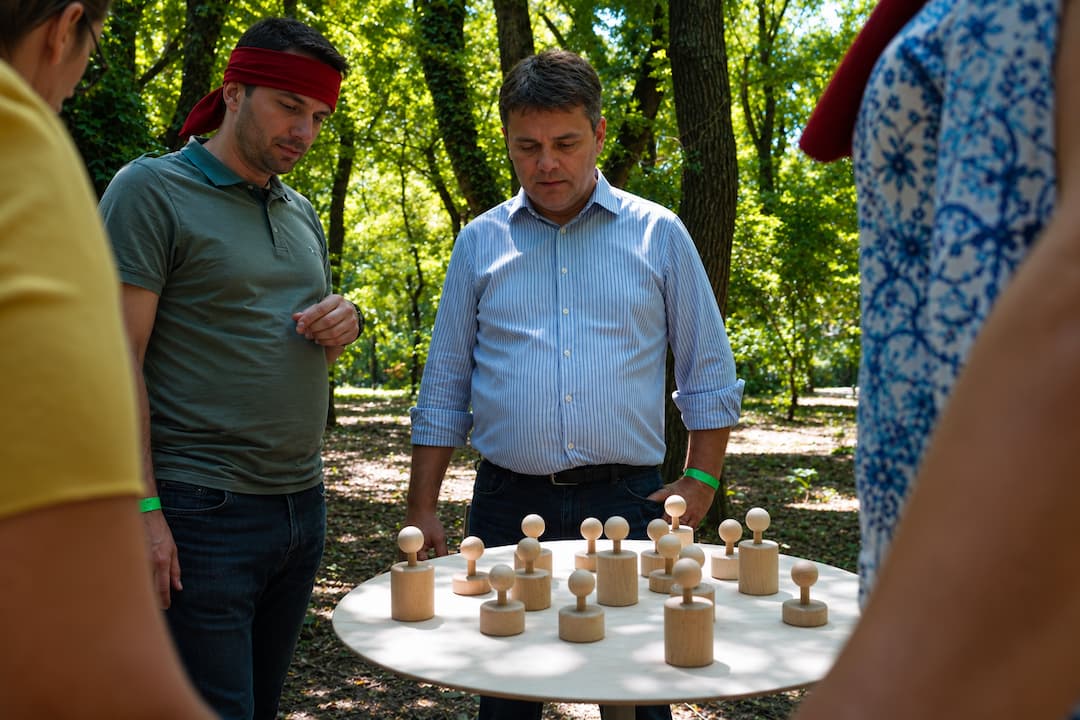
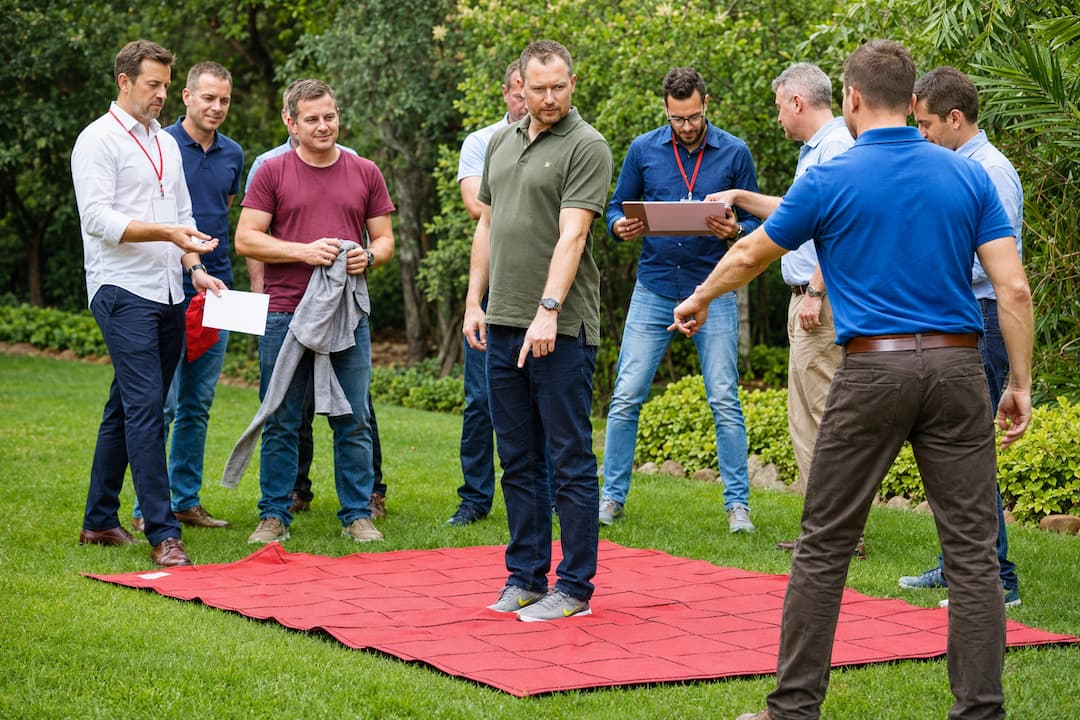
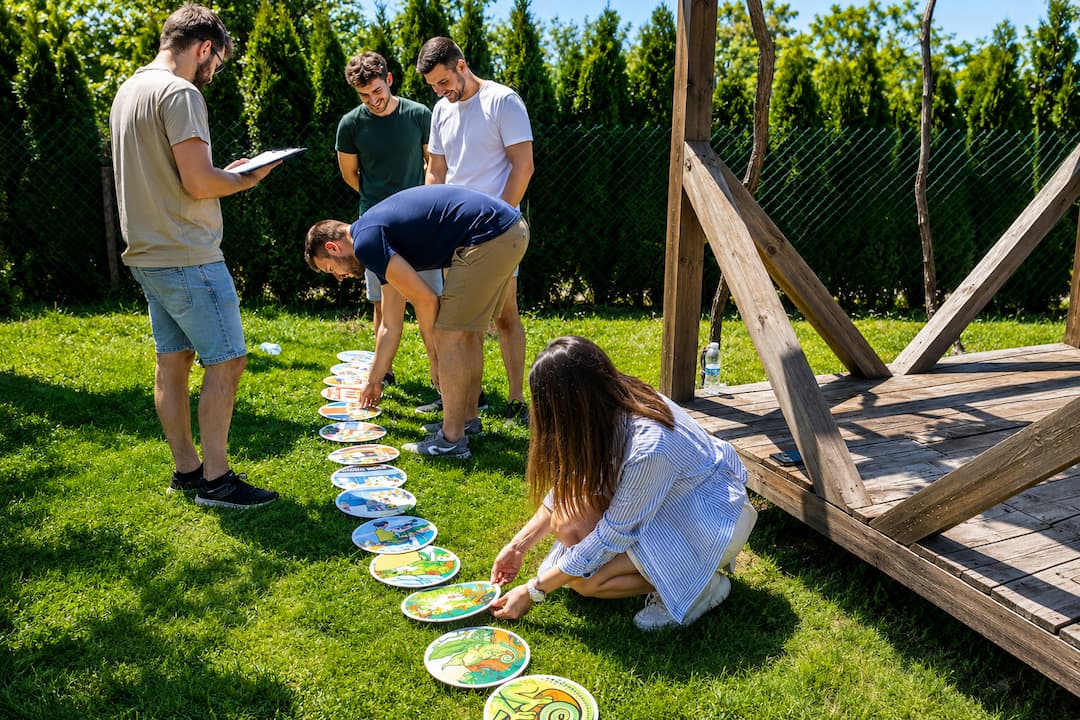
Integrity takes the form of a mixed-challenge circuit. Teams pass through several stations, where they must solve problems within a time limit, using logic, coordination, communication and their roles within the group.
For each challenge, a participant from another team acts as the referee. They explain the rules, observe how the team works and award marks based on clear criteria.
For their part, the referee is assessed by the team on how they communicated, how fair they were, and how they managed the match.
As they go along, the teams receive prompt feedback and have the chance to refine their approach from one round to the next.
Finally, the scores and Integrity Stones are collected, and the debrief links the experience to themes such as values, trust, leadership, communication and decision-making under pressure.
Intended outcomes


When is Integrity the right choice?
Integrity is suitable for organisations looking for a team-building activity that places a real emphasis on collaboration, whilst also offering a clear opportunity to reflect on values, trust and the way in which people make decisions together.
It is a good choice for teams that need to work on communication, leadership, accountability and alignment around shared principles.
Unlike a simple problem-solving game, Integrity also explores how people handle roles of influence, feedback and the fairness of the process.
It blends in naturally with:
- off-site events focusing on communication, leadership and collaboration
- kick-off events focusing on values, responsibility and a shared goal
- engagement programmes for mixed or cross-departmental teams
- retreats where participants need a practical and relevant experience
- team-focused days, with a main activity and a practical debrief
- programmes for managers or leadership teams
Why does it deliver results?
Integrity works because it shifts the discussion about values from the theoretical realm to that of observable behaviour.
Participants do not talk about integrity in abstract terms, but practise it in a game-based context: they follow the rules, manage time pressure, give feedback, make decisions and observe how their own behaviour influences the team’s outcome.
The peer-assessment process is essential. Teams are assessed on their performance; referees are also assessed on the way they communicate, explain, observe and award points.
This completely changes the usual dynamics of a competitive game, because success no longer depends solely on the result, but also on trust, fairness and responsibility.
Furthermore, the complex challenges create a practical and dynamic environment in which participants must collaborate quickly, share roles and learn from each round.
With a personalised debrief, Integrity becomes a highly relevant experience for topics such as organisational culture, leadership, communication and alignment around shared values.
Integrity is one of the Universum team building experiences in the Dynamism & Energy category. It can run as a stand-alone activity or be built into a company day or employee event, and if you need a stage, sound or full production, our event solutions team handles the technical side.

Facts & Stats
A variety of challenges
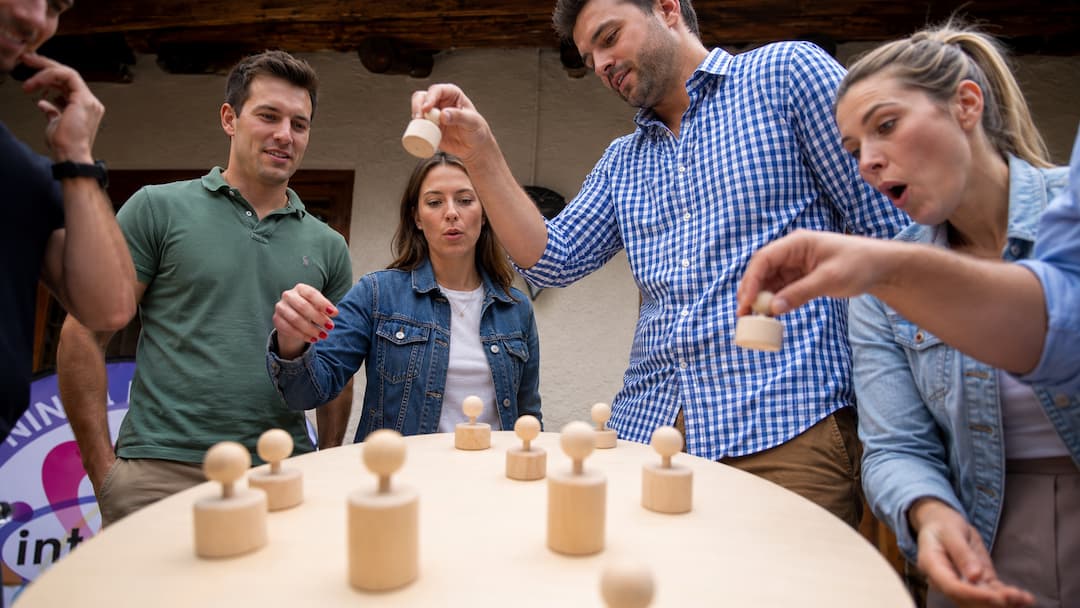
The teams tackle physics problems that require logic, coordination, clear communication and attention to detail.Peer assessment
Both the team and the referee are assessed, which changes the dynamics of the game and brings the integrity of the process to the fore.Integrity Stones
Teams use Integrity Stones to reward refereeing and behaviour deemed to be fair and valuable.Feedback between rounds
After each challenge, participants can quickly put what they have observed into practice and adjust their way of working.Values in action
Integrity is explored through rules, decisions, feedback and specific behaviours, not through a theoretical discussion.Materials with a story behind them
Integrity kits are handmade in workshops for people with disabilities in Bavaria, Germany.
CONCEPTS FROM
THE SAME CATEGORY





Team building in numbers
categories
From creative to adventure, structured for different objectives.
concepts
International licences & proprietary developments, constantly updated.
participants
Teams we’ve worked with across indoor, outdoor and online formats.
years
Team building expertise gained in projects of all sizes.
industries
Exposure to very different cultures and organisational processes.
MOST SEARCHED
TEAM BUILDING CONCEPTS