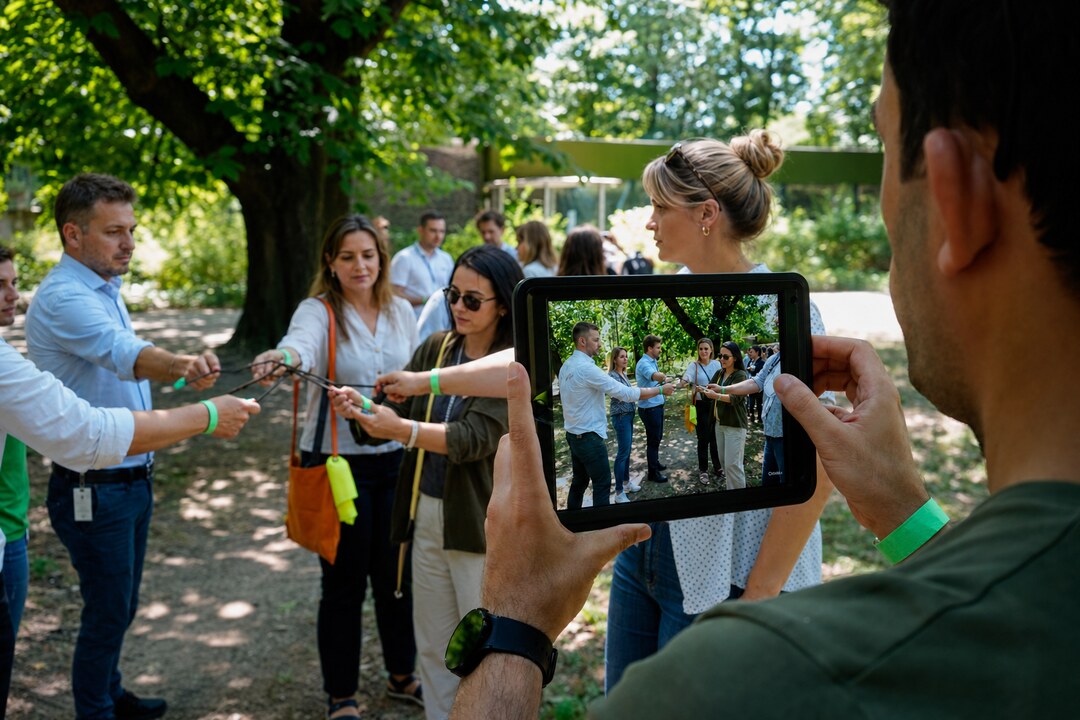
Hybrid team-building with GPS, checkpoints and collaboration between on-site and remote colleagues.
60 - 120 minutes
4 - 300 participants
In/Outdoor, Hybrid
What is The Phoenix Project?
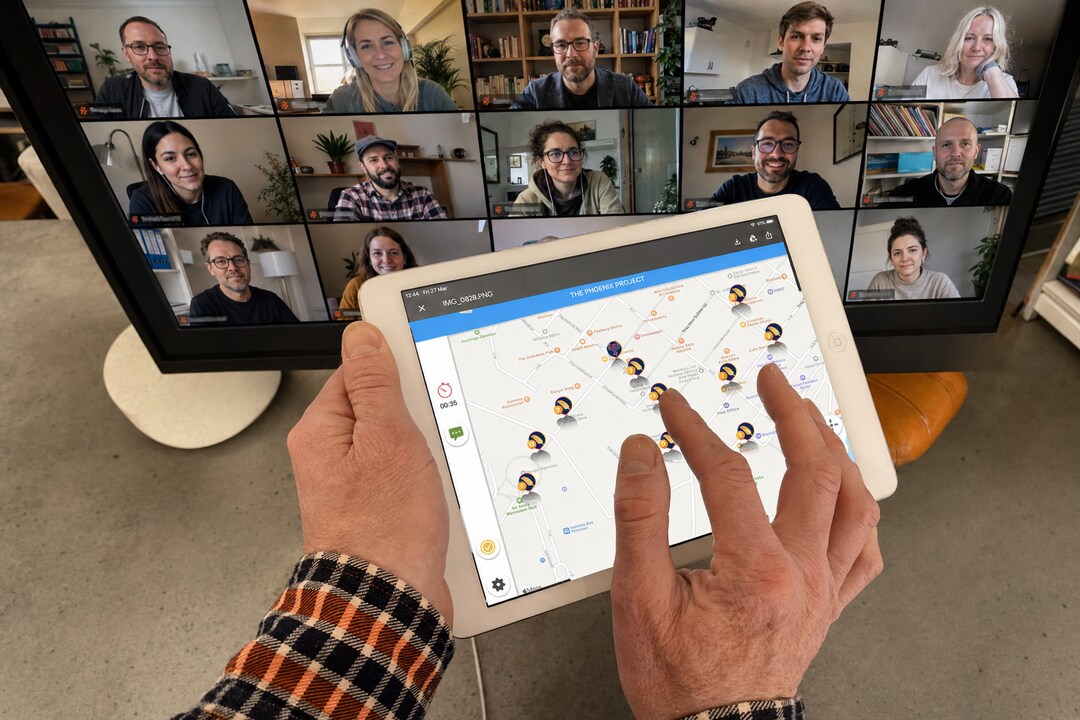
The Phoenix Project is a hybrid team-building event in which participants at the event venue collaborate with colleagues connected from other offices or from home.
Their mission is to find and unlock checkpoints, recover the 12 golden feathers and discover the location of the Phoenix’s nest.
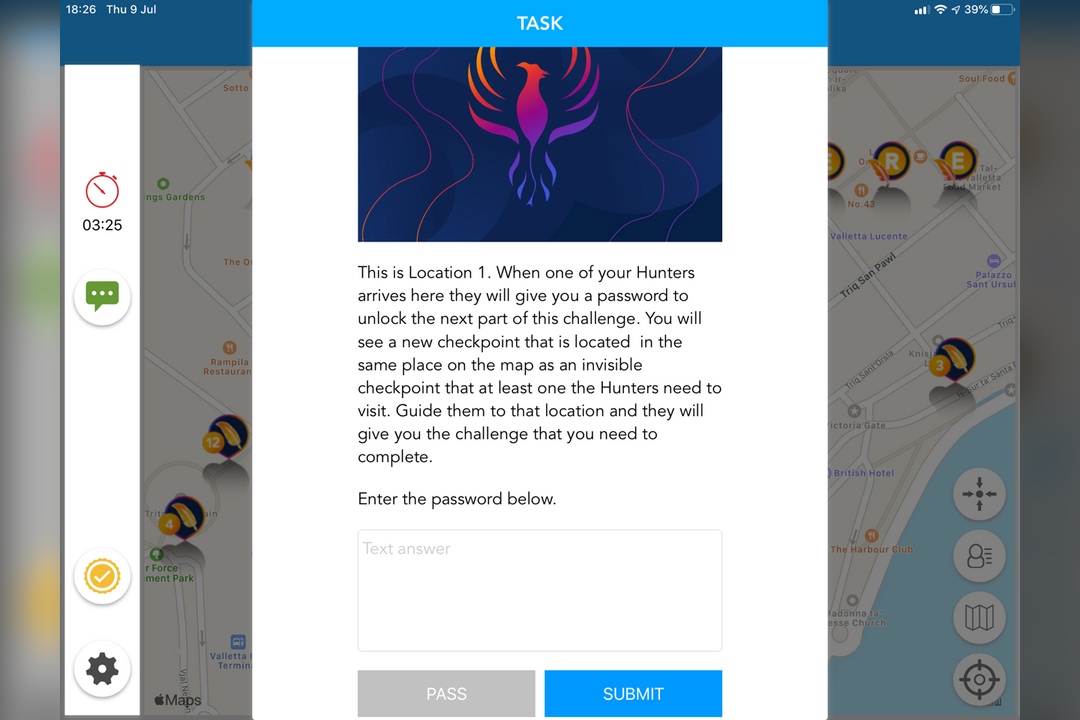
The concept combines exploration using a GPS app, digital challenges and decisions under time pressure.
Participants are assigned different but equally important roles, and success depends on how quickly they manage to turn separate pieces of information into a shared strategy.
How does it work?
The activity begins with a joint briefing, during which participants are told the story, the rules and the objective of the mission. Each team then divides its members into Hunters and Gatherers.
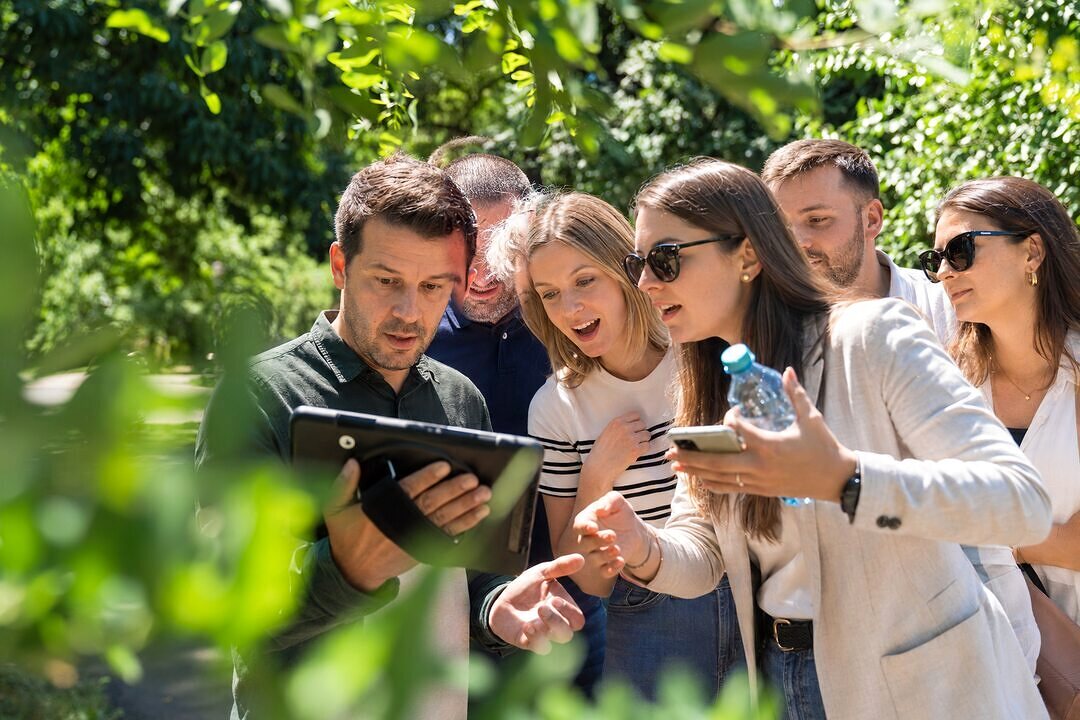
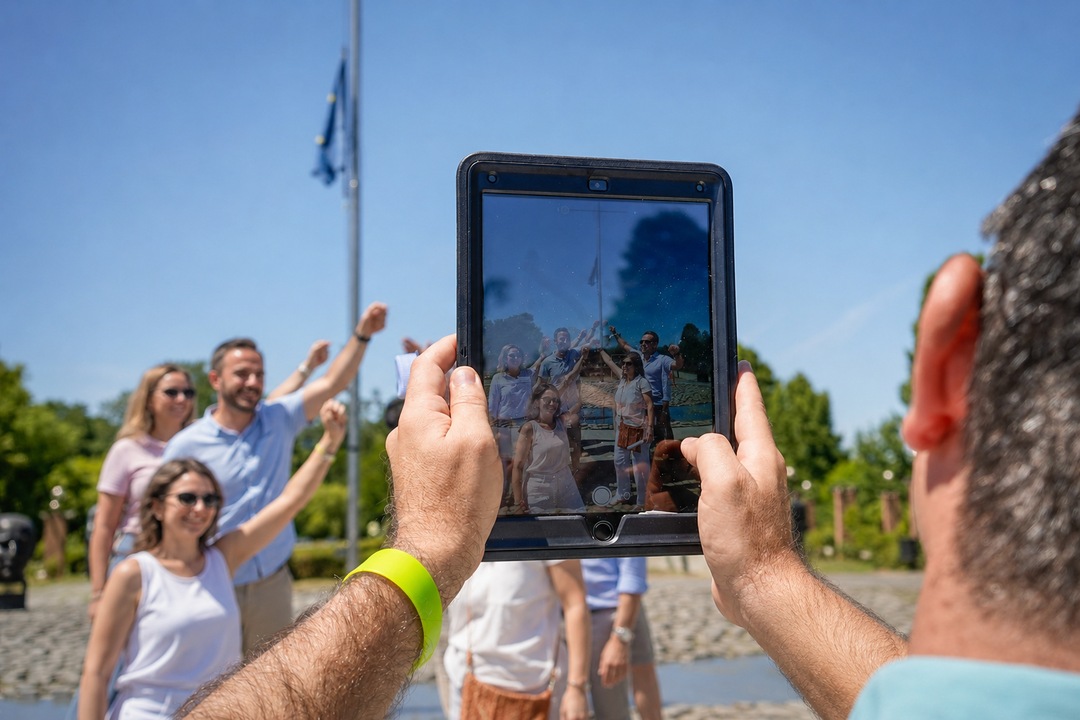
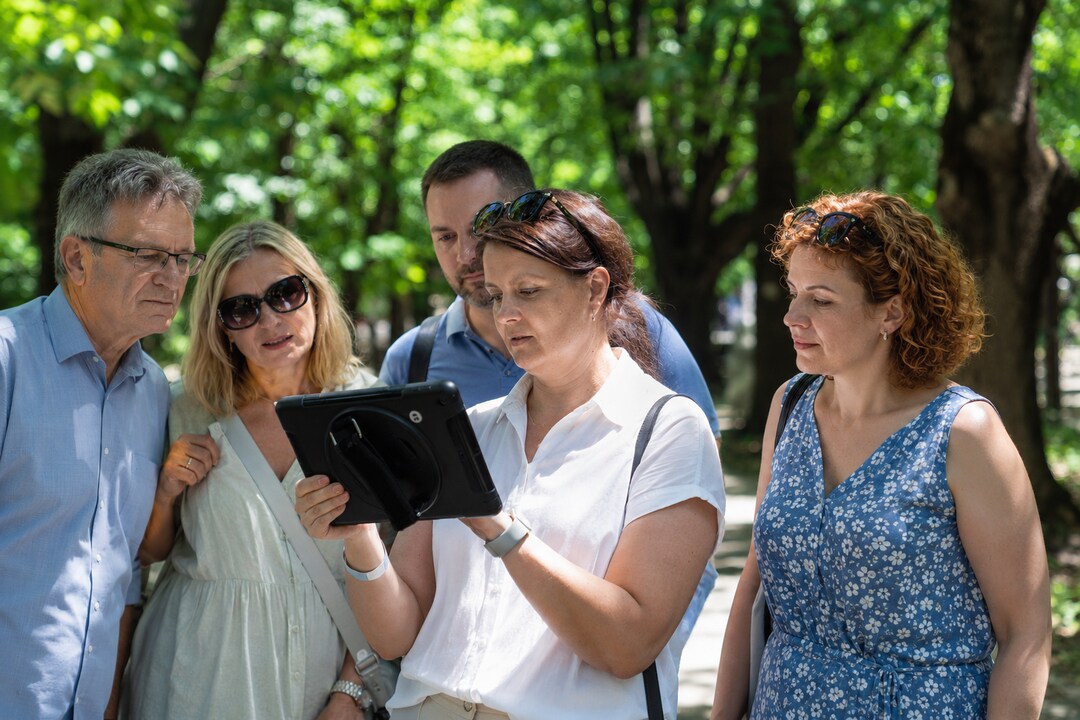
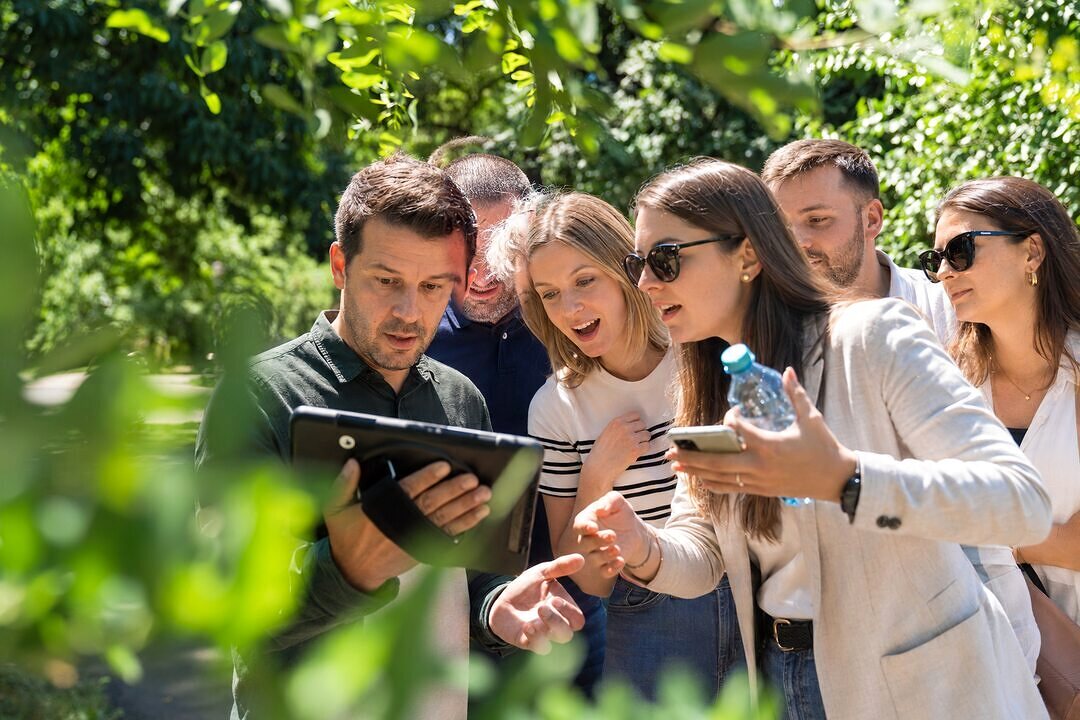
The Hunters are out in the field, using the GPS app to locate and activate the checkpoints. They explore the route, report what they find and rely on directions from their teammates.
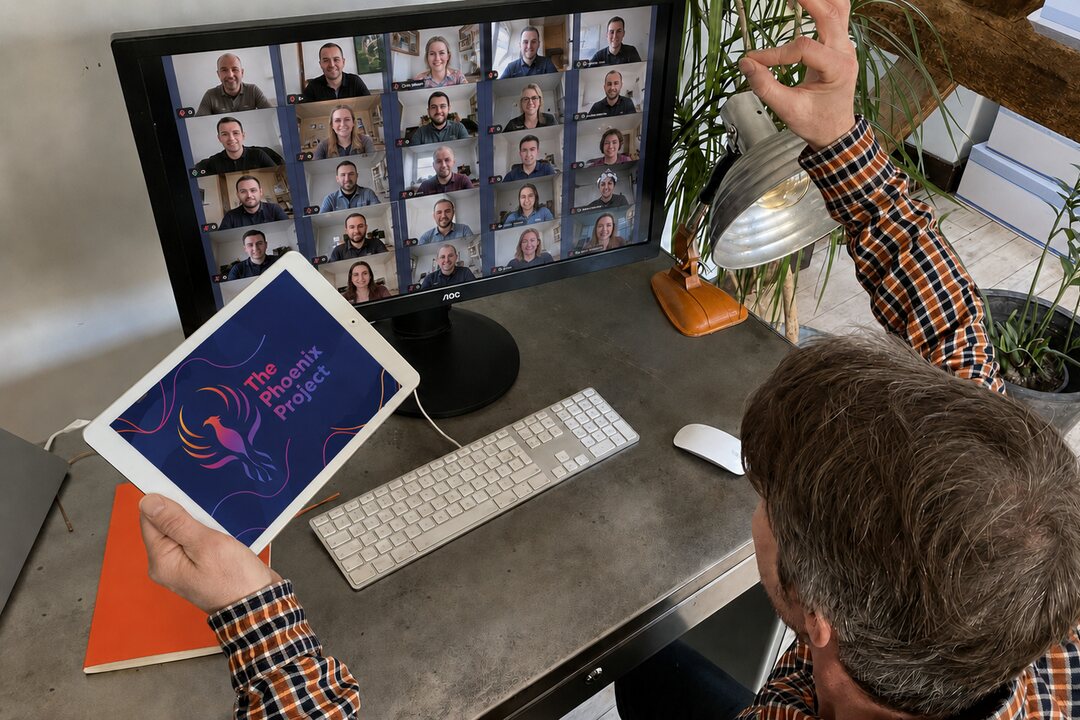
Gatherers either stay at base or connect remotely and solve the challenges displayed on screen. Correct answers reveal useful clues, whilst mistakes can cost time or resources and may force the team to adapt their strategy.
Throughout the mission, the two roles must communicate constantly. Gatherers guide the Hunters, whilst Hunters confirm checkpoints and provide the information needed for the next decisions. Without this rapid exchange of information, the team cannot recover all 12 golden feathers.
At the end, the teams piece together the clues, identify the location of the Phoenix’s nest and compare their scores. The winning team is the one that best combines speed, communication, adaptability and the use of resources.
Intended outcomes


When is The Phoenix Project the right choice?
The Phoenix Project is suitable for companies that operate on a hybrid basis or have teams spread across several offices.
Rather than remote participants simply observing the action from the sidelines, the concept gives them a key role in the mission and connects them directly with their colleagues on site.
It is a good choice when the aim of the event is to bring people back together, foster interaction between departments and practise collaboration in conditions that closely resemble the reality of hybrid working.
It blends in naturally with:
- team-building activities for hybrid or remote teams
- kick-off meetings with participants joining from several offices
- offsite events in which some colleagues take part remotely
- engagement and reconnection programmes across departments
- regional or international meetings organised in a hybrid format
- indoor events that require an interactive main activity
Why does it deliver results?
The Phoenix Project works because it bridges the gap between participants who are physically present and those joining remotely.
Each role possesses information and resources that the others do not have, so that no one can remain a mere spectator, and collaboration becomes a genuine prerequisite for progress.
Mechanics bring to light behaviours that are relevant to day-to-day work: how clearly information flows, how priorities are set, how much trust there is between roles, and how quickly the team adapts.
The Phoenix Project is one of the Universum team building experiences in the Virtual & Hybrid category. It can run as a stand-alone activity or be built into a company day or employee event, and if you need a stage, sound or full production, our event solutions team handles the technical side.

Facts & Stats
Two environments, one team
On-site and remote participants have different roles, but they depend on one another to make progress.12 golden feathers
The teams must retrieve them in order to discover the location of the Phoenix’s nest.Interdependent roles
Hunters explore the route, whilst Gatherers tackle the challenges and pass on the necessary clues.High-stakes checkpoints
Correct answers reveal clues, whilst mistakes can waste time or resources.Strategy against the clock
The score depends on speed, communication, decision-making and the efficient use of resources.
CONCEPTS FROM
THE SAME CATEGORY


Team building in numbers
categories
From creative to adventure, structured for different objectives.
concepts
International licences & proprietary developments, constantly updated.
participants
Teams we’ve worked with across indoor, outdoor and online formats.
years
Team building expertise gained in projects of all sizes.
industries
Exposure to very different cultures and organisational processes.
MOST SEARCHED
TEAM BUILDING CONCEPTS