It’s All About the Objective.
We’ll be honest with you: we didn’t figure this out overnight.
After years of designing team experiences, we started noticing patterns. Some activities would land perfectly, while others, despite great execution, just didn’t move the needle. And the difference almost always came down to one thing: whether the activity was chosen for a specific goal, or just chosen.
We read, we research, we learn from every event we run. And one of the clearest lessons we keep coming back to is this: the objective is everything.
So before we talk about what to do, let’s talk about why, because that’s where the magic actually starts.
Fun: Because Joy is Also a Strategy
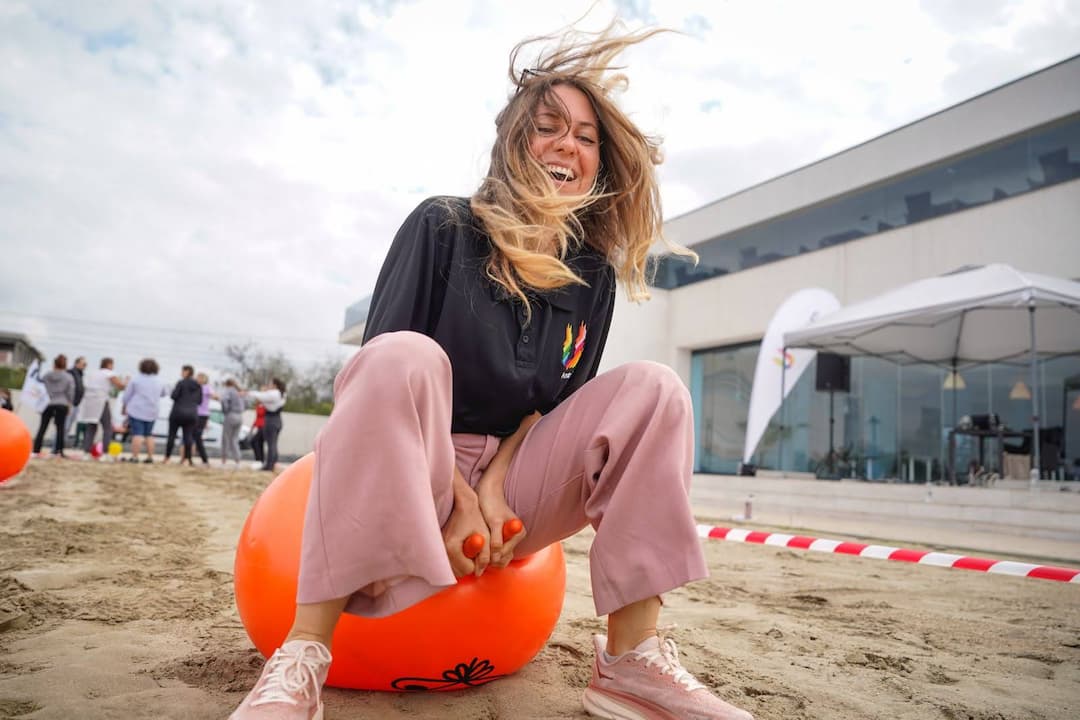
Sometimes the brief is beautifully simple: give people a reason to laugh together. Fun-first experiences work best as pressure release valves, after a demanding quarter, for leadership teams, or for departments that don’t usually collaborate. The priority isn’t output or learning; it’s shared joy.
When clients come to us with this objective, we design for the unexpected: formats that spark genuine, unscripted moments rather than forced enthusiasm. The team that laughs together stays together, and we’ve seen this play out more times than we can count.
Communication: Stop Talking about Talking
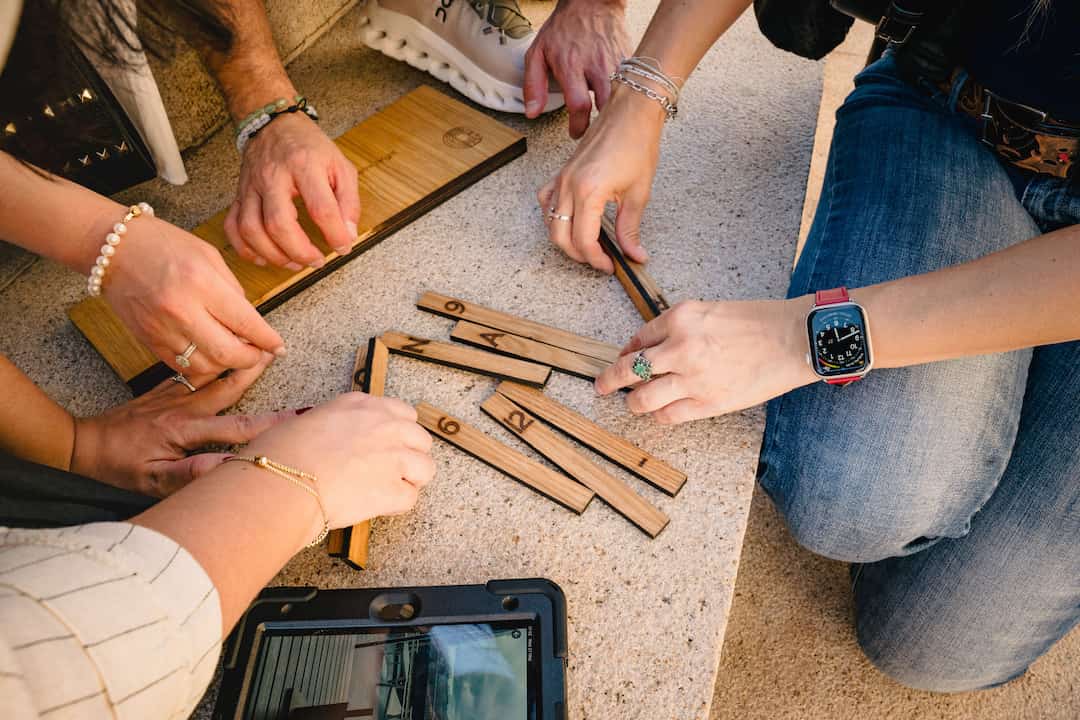
Communication breakdowns are rarely about information, they’re about habits. The best activities for this objective create scenarios where teams must coordinate under mild pressure: relay challenges, collaborative creative briefs, structured storytelling exercises.
What we love about designing for communication is how quickly the truth comes out. These formats reveal how a team actually exchanges ideas, not how they think they do, not how they described it in the last survey. Usually, it’s quite different. And that gap is exactly where the real work begins.
Leadership: Put Someone in the Hot Seat (Kindly)
Leadership development activities need to do one thing well: place people in positions they don’t usually occupy. Moments where someone unexpected steps up, where decisions carry visible consequences, and where the debrief matters just as much as the activity itself.
We build these experiences around real pressure so that what surfaces during the session is genuinely useful back at the office. The insight doesn’t stay in the room; it travels back with the team.
Integration: Building the “We” From Scratch
New team members, post-merger groups, cross-functional teams that have never worked together, they all share the same need: a shared starting point. Integration activities should minimize hierarchy, create equal footing, and generate common memories fast.
This is honestly one of our favourite briefs to receive. We get to design the moment where strangers become a team, through building something together, solving a shared challenge, or navigating something unfamiliar side by side. Low barrier to entry, high emotional payoff.
Wellbeing: Give People Permission to Breathe
Wellbeing isn’t a one-day fix, but a well-designed experience can genuinely shift the conversation inside a team. It works when it gives people permission to slow down, reconnect with themselves, or simply feel seen and cared for by the organization they work for.
When we design for wellbeing, we treat it as a real investment, not a checkbox. And here’s something we’ve noticed: the message an employer sends by showing up for their team this way is often as powerful as the activity itself.
Strategy: When you Need to Think Together, Not Just Meet
When a team needs to genuinely align, the format matters more than most people realize. Strategy-oriented experiences work best when they recreate the dynamics of real decision-making: incomplete information, competing priorities, time pressure.
We design these sessions to surface what a meeting room rarely would: the unspoken assumptions, the quiet misalignments, the tensions that slow a team down. They feel nothing like work. But the insights? Immediately applicable.
Networking: Engineering Serendipity
Networking activities have one job: create the conditions for real conversations between people who wouldn’t normally talk. That means actively working against the default clustering that happens in every group.
We treat networking as an architecture problem. Build the right environment, design the right constraints, and the right conversations happen naturally. No forced icebreakers, no awkward intros, just the conditions for something real to start.
Celebration: Make it Feel Earned, Not Generic
Celebration is one of the most underestimated business needs out there. Recognizing achievement has real impact on retention, motivation, and team identity.
When clients come to us with this brief, we ask a lot of questions before we design anything: What did this team go through? What are they proud of? Who needs to be seen? The answers shape everything. Because a great celebration doesn’t just mark a moment, it becomes one.
So, Where Does Your Team Stand?
You don’t need the perfect activity. You need the right one, for your people, your moment, your goal.
That’s the conversation we love having most. Not “what’s available”, but “what do you actually need right now?“ and then building backwards from there.
If you’re not sure where to start, you know where to find us. 🙌
Explore what we do or get in touch, we’d love to hear about your team.
🏆 Let’s build your next Team Building Experience together.
…Or if you have a different kind of event in mind, we love a good challenge. Let’s talk.