


Every year, the same line item forces the same decision: put the whole event budget into one large-scale gathering, or spread it across several smaller ones.
It looks like a logistics call. It isn’t. It’s a strategic one and the data shows the two formats aren’t competing for the same goal, they’re solving two entirely different problems.
The Case for Small and Frequent
Here’s a number worth sitting with: 54% of US companies now run 1-2 team-building events a year, up from 45% in 2019 (High5Test, 2024/2025).
That’s not a trend, it’s a correction. Lightbulb Teams’ 2025 research backs it up with a concrete rhythm: 2-4 sessions a year is the sweet spot, frequent enough to matter, spaced out enough to stay a treat instead of a chore.
Smaller, more frequent experiences have one big advantage: continuity.
They create more opportunities for people to connect, mix outside their usual circles, welcome new colleagues, reset after demanding periods and simply spend time together without waiting for the annual company event. But frequency alone isn’t enough.
If you ask us: the smaller the event, the more personal it has to feel. Generic games get generic energy back and the real trick is building the activity out of what the company actually is.
We’ve created plenty of these smaller moments throughout the year: office activations around international days, mini celebrations for internal milestones, seasonal activities and simple experiences designed to bring people together without turning every occasion into a major event.
Individually, they may be small. But together, they create a steady rhythm of shared moments that keeps teams connected between the bigger occasions.
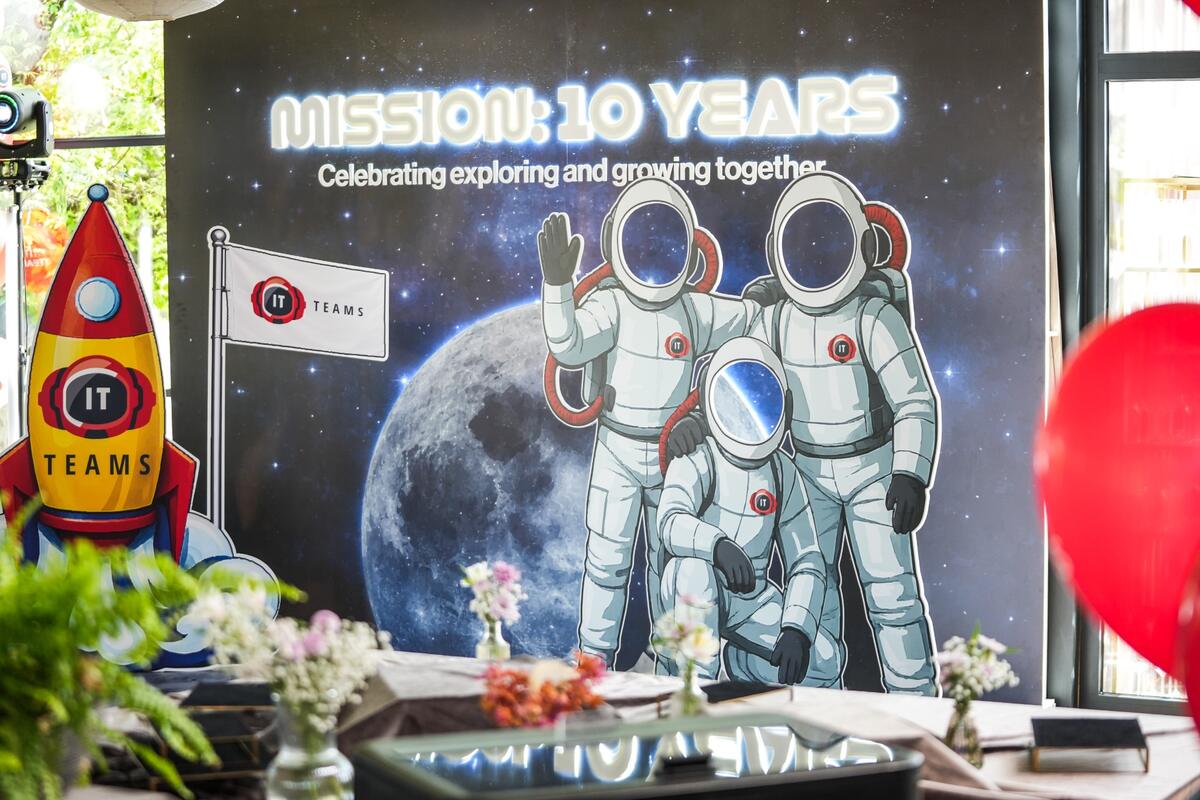
And when those smaller moments are built around the company itself, they become even more memorable. Take a tire manufacturer.
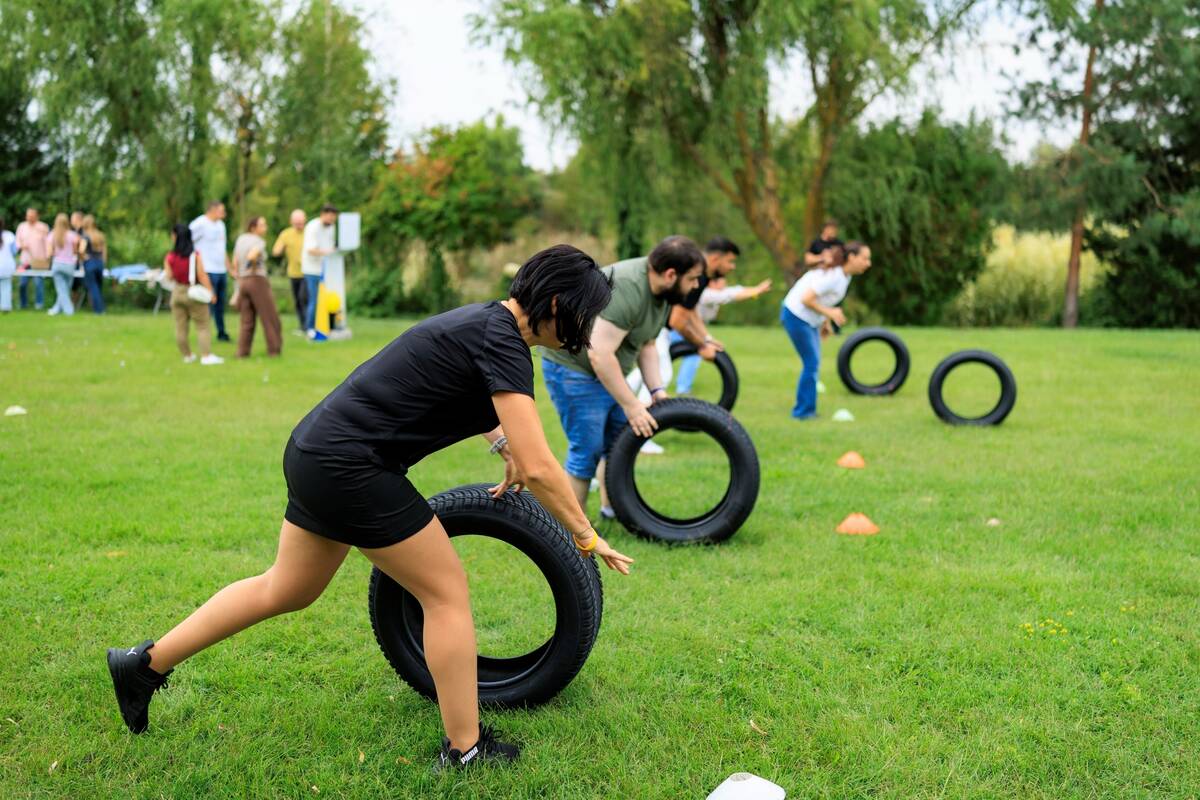
The obvious move is importing party props from a catalogue. The sharper move is looking at what’s already sitting in the warehouse, like a tire-flip relay, an obstacle course built from the product line, or a genuinely absurd tire-bowling tournament. Employees end up laughing at the exact thing they build every single day.
The Case for One Big Event
Now the other side of the ledger: US companies poured $4.7B into team-building in 2024 alone, and 96% still run at least one in-person offsite a year (High5Test, 2024).
And there are moments when scale simply makes sense: an anniversary, a major transformation, a company-wide celebration, a new strategy, a milestone people have worked years to reach, or the rare opportunity to bring together colleagues who usually exist as names in an email thread or faces on a screen.
That’s what the big event can do exceptionally well: create one shared moment for everyone.
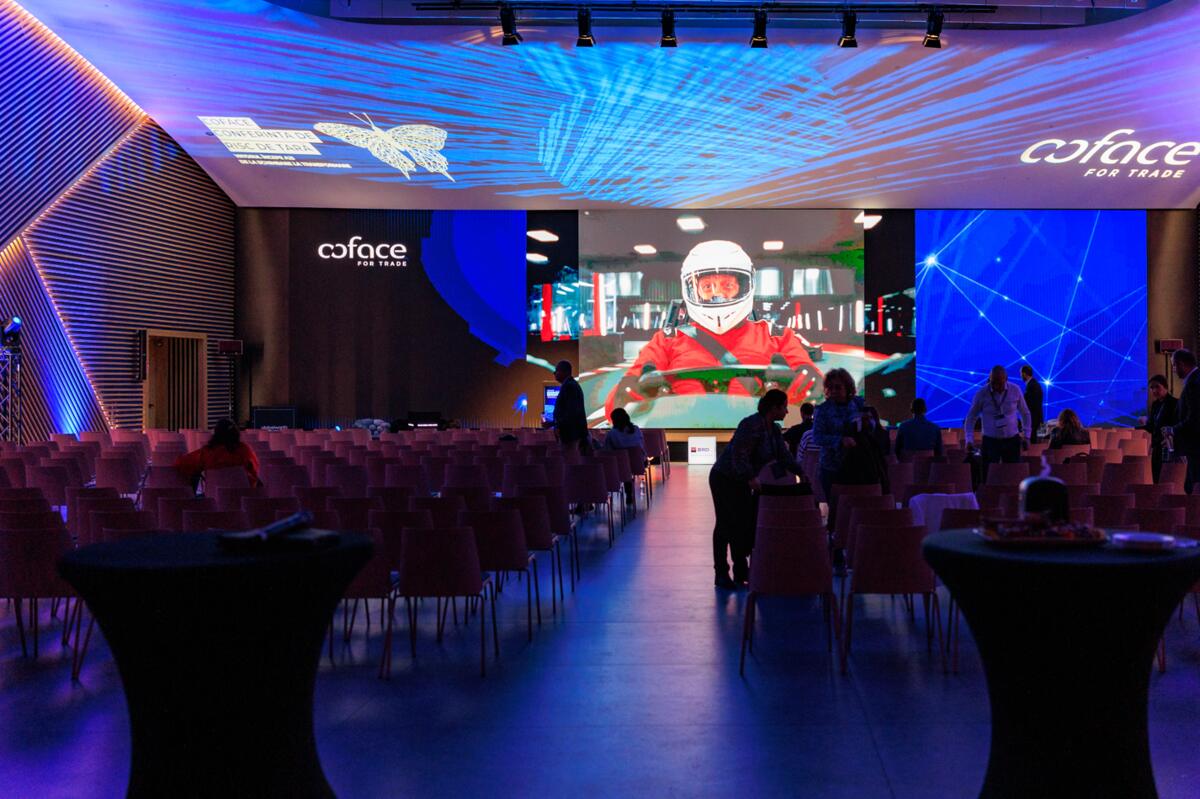
We recently helped run a trade conference that brought in participants from multiple countries, coordinating venue, logistics and program on a scale that simply isn’t possible at teambuilding size.
But Gallup’s 2025 State of the Global Workplace report has a warning worth remembering: one-off events fade fast, and without something reinforcing them afterward, the glow rarely survives the month.
If you ask us: a big event lives or dies on narrative, not on the schedule.
Structure an anniversary like chapters in the company’s own story, every part of the day should move the plot forward, not just fill a timeslot.
And build in one live, physical moment people can’t scroll past an unveiling, a symbolic gesture, a single striking image.
Building the Right Mix
The most useful conversation isn’t always about the next event. It’s about the whole year.
When we have the opportunity to look at a company’s full event calendar, we can think beyond individual briefs and start building the right mix: where a larger event can create the most impact, where smaller moments can keep the momentum going, and how different formats can work together rather than compete for the same budget.
That’s where our role becomes more consultative. We look at the objectives, the teams, the key moments throughout the year and the budget available, then recommend a structure that makes sense as a whole.
The goal isn’t simply to fit more events into the calendar, but to use the annual budget more effectively and make every event or activation earn its place.
Sometimes the best answer is one big moment. Sometimes it’s several smaller ones. And very often, it’s the right combination of both.
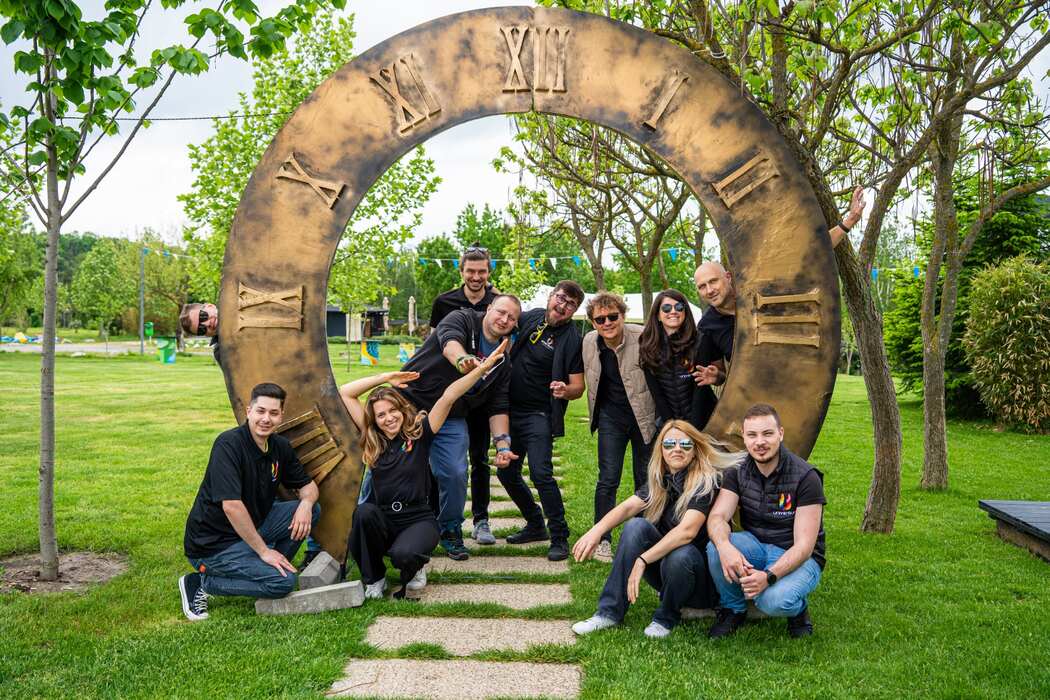
So, where’s your team right now: closer to needing one unforgettable night, or a few more good Tuesdays? Tell us, and we’ll help you figure out the mix.
References
- High5Test (2024/2025). Team Building Statistics for HR & Leaders in the US.
https://high5test.com/team-building-statistics/ - Lightbulb Teams (2025). How Often Should Team Building Be Done at Work?
https://lightbulbteams.com/blog/how-often-should-businesses-have-team-building-programmes/ - High5Test (2024). Team Building Statistics for HR & Leaders in the US.
https://high5test.com/team-building-statistics/ - Gallup (2025). State of the Global Workplace: 2025 Report.
https://www.gallup.com/file/workplace/659528/state-of-the-global-workplace-2025-download.pdf
Articole similare

 septembrie 30th, 2026
Some of the productions that caught our attention lately have very little in common
 iulie 29th, 2026
Ever wonder why the world's biggest events just... work? If you're the person who
 iulie 21st, 2026
Every week, the event industry raises the bar a little higher. Not always through
 iunie 10th, 2026
It's All About the Objective. We'll be honest with you: we didn't figure this


