


Ever wonder why the world’s biggest events just… work?
If you’re the person who has to come up with “something different” for this year’s next company event, you already know the feeling: staring at a blank page, scrolling through the same ten activity ideas, wondering why nothing feels exciting enough. Here’s a shortcut we use ourselves: look at the events that already know how to hold a crowd’s attention for hours.
The FIFA Club World Cup, Formula 1, even a global concert tour, they’ve spent years perfecting exactly what makes people lean in, care, and remember the day. The good news? You don’t need a stadium, a race track, or a sold-out arena to borrow their tricks. You just need to understand what’s actually happening underneath and then translate it into decor, music, and moments your own guests can feel.
FIFA Club World Cup: Why football makes a win feel bigger
Here’s the strange part about the Club World Cup: most fans in the stands have zero personal history with either team, yet within minutes they’re fully invested. Alisa Minina Jeunemaitre, Ph.D., a marketing professor who studies this exact phenomenon, points to social identity theory: our sense of self is shaped by the groups we belong to, and when a team wins, it can feel like a personal win, too.
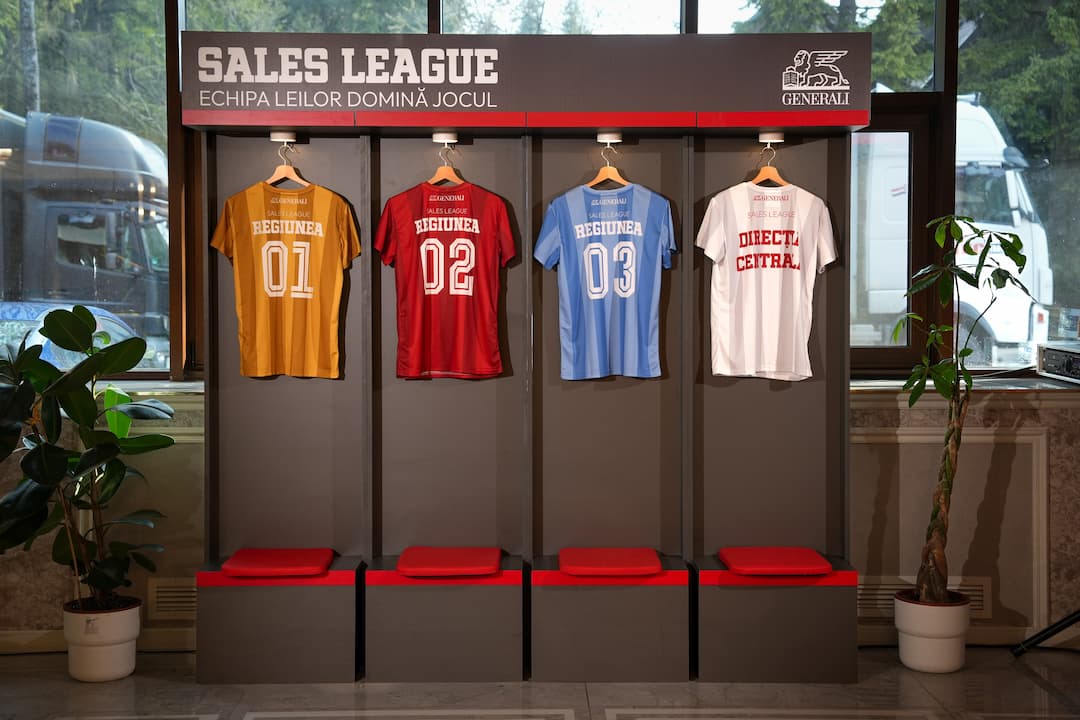
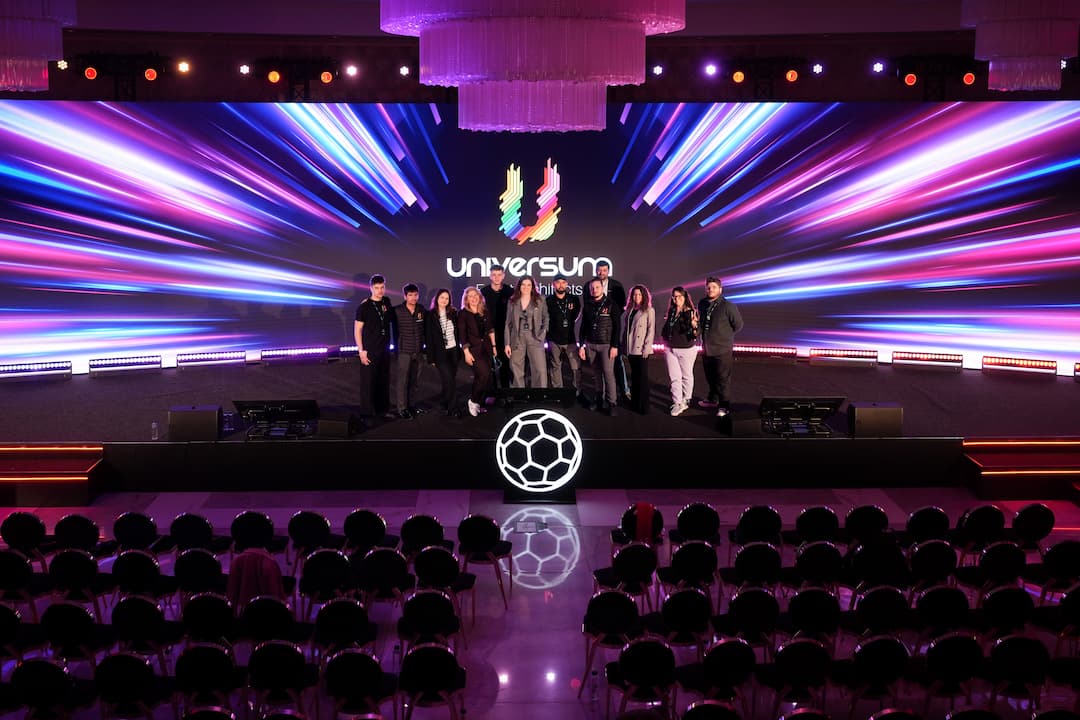
We’ve actually built a whole event around exactly this idea. For a sales conference, we designed the entire day as a “Sales League” with football-style stage design, team colors, even locker rooms.” The football world did exactly what it does on a real pitch: it made the moment of recognition feel bigger, more earned, more like a win worth celebrating.
Have you noticed that giving people something to belong to, even for an afternoon, changes how they show up for each other?
Formula 1: The Two-Second Miracle (and the look that comes with It)
A Formula 1 pit stop is one of the most impressive team performances on the plane. A recent review of team cognition in sport explains why this works: elite teams build shared, almost wordless knowledge of each other’s roles, so they can coordinate instantly even when there’s no time to talk it through (Eldadi & Tenenbaum, 2025). That’s the exact mechanic we chase when we design a challenge with a countdown clock.
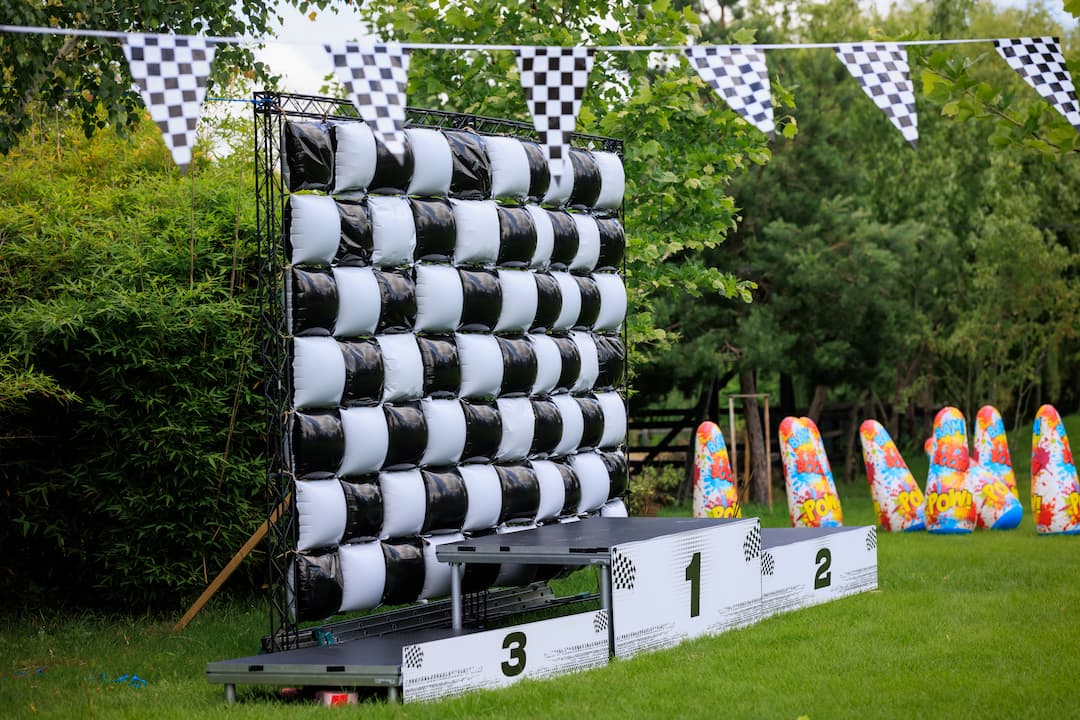
We’ve taken this one quite literally before, actually. For one event, we built an entire race around it: teams competing head-to-head, a real podium for the winners, and photo panels where guests could step into an F1 driver’s suit and pose for the shot everyone ended up sharing. It’s a good reminder that you don’t need subtlety to make the reference land because sometimes people just want to feel like a champion for five minutes.
When a concert becomes a whole culture: The Bad Bunny Effect
Sometimes the “big event” isn’t a match or a race, it’s a tour. Bad Bunny’s Debí Tirar Más Fotos world tour has been that kind of cultural moment this year: sold-out stadiums across continents, a Grammy for Album of the Year, a Super Bowl halftime show and something that goes beyond the tour dates themselves. Clubs and party organizers everywhere have started throwing entire nights built around his sound and visual world.
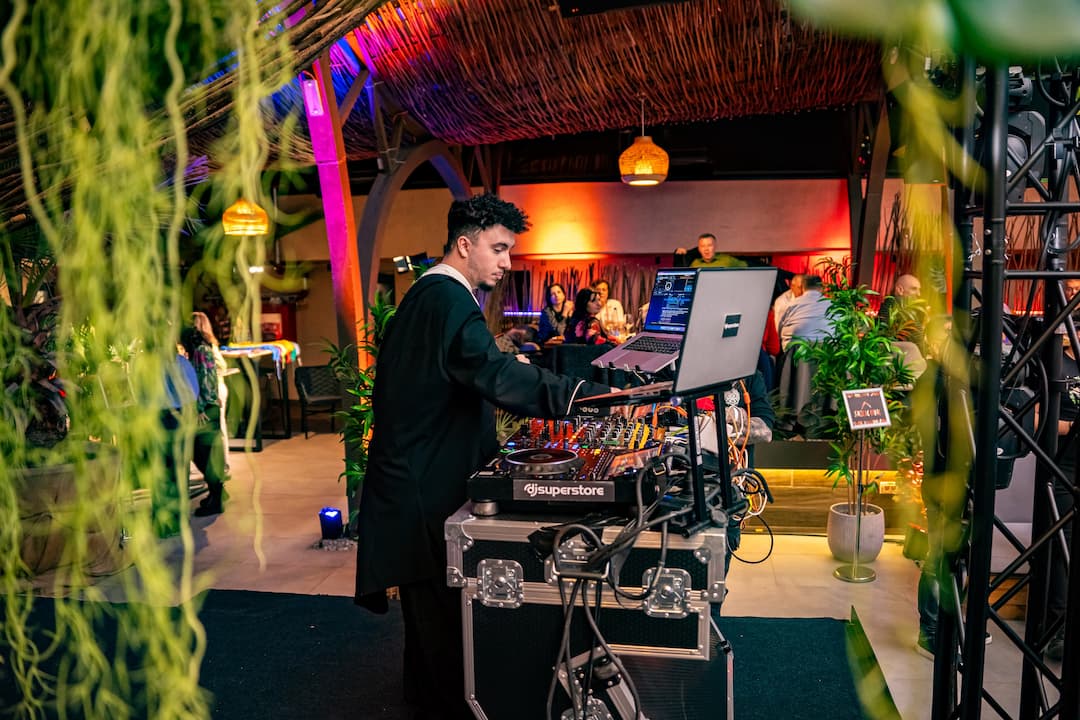
That’s the branding lesson event people can actually use: you don’t need the artist, the stadium, or the budget, you need the feeling they’ve already built for you. The color palette, the soundtrack, the specific kind of energy a name like that carries. Borrowing it, respectfully, and as inspiration rather than imitation, gives a themed party or a client event an instant emotional shortcut.
So, What Does This Mean for Your Event?
Honestly? This is the whole job.
Every time we sit down to design an event, we’re asking the same questions the biggest productions in the world ask: What gives people something to belong to in the first five minutes? Where’s the moment of real pressure or precision? And is there a visual world we can borrow and make our own? We’re not recreating a stadium, a pit lane, or a sold-out tour, we’re translating the same emotional and visual ingredients into a format that fits your team, or your client’s brand, on a Tuesday, in Bucharest.
If FIFA, F1, and a global tour can turn strangers into a crowd that feels like one, imagine what the right event can do for people who already know each other.
Tell us about your event, and we’ll figure out which of these ingredients fits best.
References:
Eldadi, O., & Tenenbaum, G. (2025). Team cognition (TC) in sport: Foundations, development, and performance implications. Psychology of Sport and Exercise, 80. https://www.sciencedirect.com/science/article/pii/S1469029225001268
Minina Jeunemaitre, A. (2024, August 7). Why we get excited during sporting events. Psychology Today. https://www.psychologytoday.com/us/blog/consumption-and-lifestyles/202408/why-we-get-excited-during-sporting-events
Articole similare
 septembrie 30th, 2026
Some of the productions that caught our attention lately have very little in common
 august 19th, 2026
Every year, the same line item forces the same decision: put the whole event
 iulie 21st, 2026
Every week, the event industry raises the bar a little higher. Not always through
 iunie 10th, 2026
It's All About the Objective. We'll be honest with you: we didn't figure this


